




Why Choose a Shuttle Rotomolding Machine?
Choosing the right Shuttle Rotomolding Machine requires more than comparing prices or advertised cycle times. It demands process knowledge, product evidence, and careful attention to factory conditions. Grand View Research reports continued growth in the global rotational molding market, supported by demand for durable tanks, pallets, kayaks, playground equipment, and industrial containers. Growth is promising. It is not automatic.
A Shuttle Rotomolding Machine can improve mold access, production flexibility, and operator workflow. Its separate shuttle stations may allow one mold to unload while another heats. That arrangement can reduce idle time in a busy plant. It can also simplify production changes when products vary in size, wall thickness, or material volume. Yet energy use, oven balance, cooling control, mold design, and operator training still determine real performance. A machine can look efficient on paper and disappoint beside the oven.
R. J. Crawford, a widely recognized rotational molding author, described the core principle clearly: “The mold rotates in two axes while the polymer melts and coats its inner surface.” That principle explains why temperature control matters so much. The Association of Rotational Molders also emphasizes process control, material preparation, and consistent heating as practical foundations for quality. Buyers should therefore examine cycle records, temperature uniformity, maintenance access, and after-sales support. Ask for production evidence.
The best Shuttle Rotomolding Machine is not always the largest or fastest model. It is the model that matches your molds, labor skills, energy system, and quality targets. Some decisions remain difficult. That is where honest testing matters.
What Is a Shuttle Rotomolding Machine?
Why Choose a Shuttle Rotomolding Machine?
What Is a Shuttle Rotomolding Machine?
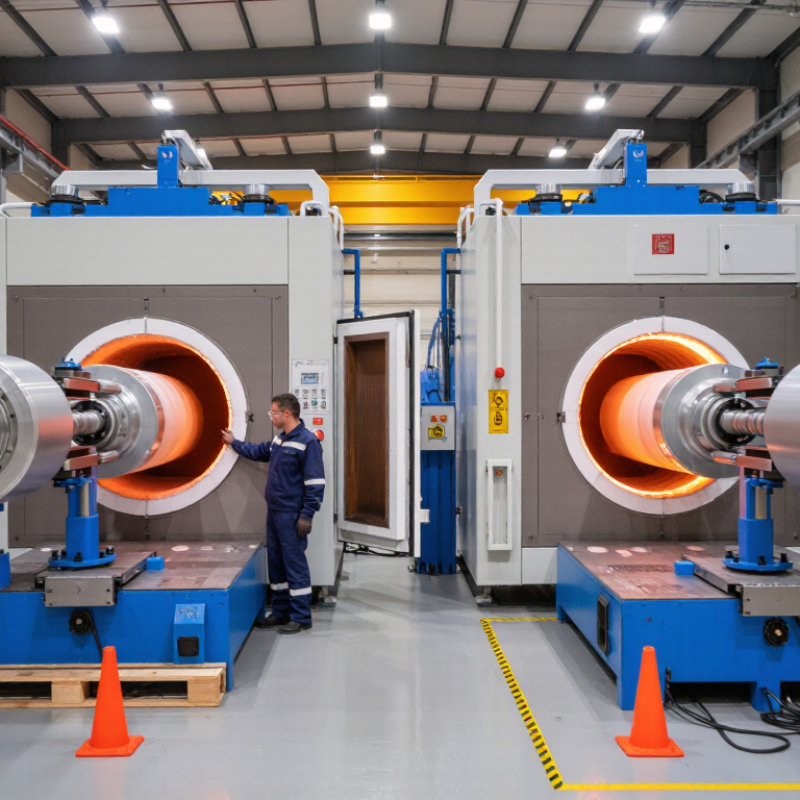
A shuttle rotomolding machine is a plastic processing system with movable mold stations. Each shuttle carries a mold into a heating chamber, then moves it to a cooling area. The mold rotates on multiple axes during heating. This spreads powdered polymer across its inner surface, creating a hollow part with consistent walls.
The key advantage is station independence. One mold can cool while another enters the oven. Operators can load, inspect, or remove parts without stopping every process. This arrangement suits tanks, containers, ducts, and large industrial components. It also offers practical control over heating time, rotation speed, and cooling conditions. However, it is not automatically the best choice. Factory space, mold weight, labor skills, and production volume still matter. A poorly balanced mold may produce uneven walls or unnecessary cycle delays.
Tips: Check wall thickness at several points, not only near the opening. Record oven temperature and cooling time for every batch. Keep mold surfaces clean and inspect hinges before production. Small setup errors can become visible defects. Testing one sample first is often wiser than trusting a perfect-looking setting. Some operators also adjust cooling gradually, because sudden temperature changes may distort thin sections.
How Does a Shuttle Rotomolding Machine Operate?
Why Choose a Shuttle Rotomolding Machine?
How Does a Shuttle Rotomolding Machine Operate?
A shuttle rotomolding machine moves mold stations between separate processing areas. The cycle begins here. Operators fill a measured amount of polymer powder into a hollow mold, then secure the mold on a shuttle carriage. The carriage enters the heating chamber, where controlled heat softens the powder. Two rotating axes turn the mold slowly and continuously. This movement spreads material across every interior surface, including corners and narrow sections.
Timing matters. Heating continues until the powder forms a consistent molten layer. Temperature sensors and production records help operators adjust the cycle for mold size, material type, and wall thickness. In practice, the first cycle rarely feels perfect. Uneven color or thin edges may reveal poor powder distribution, weak venting, or insufficient rotation. Small errors grow. Careful operators inspect the mold, review data, and change one setting at a time.
After heating, the shuttle moves the mold into a cooling area. Air or controlled mist lowers the temperature while rotation continues. This helps limit warping and supports a stable shape. The mold then returns to the loading position, where workers open it and remove the finished part. Experienced teams check dimensions, wall consistency, surface quality, and trapped air before approving production. A shuttle design can improve workflow because loading, heating, cooling, and unloading occur in organized stages, though poor maintenance can still reduce repeatability.
Which Manufacturing Needs Does It Support?
Why Choose a Shuttle Rotomolding Machine?
A shuttle rotomolding machine supports manufacturing needs that demand flexibility, controlled heating, and efficient mold handling. Its shuttle system moves molds between heating and cooling stations, allowing operators to prepare one mold while another completes its cycle. This suits medium-volume production, especially for tanks, bins, containers, playground parts, and industrial housings.
The machine also works well for hollow products with complex shapes and consistent wall thickness. Manufacturers can use different molds, materials, or colors during scheduled production changes. That reduces idle time when product sizes vary. In a real workshop, this flexibility matters when orders arrive in uneven batches. However, it is not always the best choice. Very high-volume production may need a faster dedicated system, while small prototypes may not justify the equipment cost. Heat distribution still requires careful testing. A perfect result is never automatic.
Tips: Match the machine size to your largest mold, not your average one. Record heating temperatures, rotation speeds, and cooling times for every mold. Check wall thickness at corners and deep sections. Small process records prevent expensive surprises.
Operators should also consider floor space, mold storage, ventilation, and maintenance access. A shuttle machine can improve workflow, but poor layout may cancel those gains. Trial runs should examine cycle time, surface finish, dimensional stability, and manual handling effort before full production begins.
What Benefits Does Shuttle Rotomolding Offer?
A shuttle rotomolding machine offers practical flexibility for medium and large hollow products. Its arms move molds between heating, cooling, and loading stations. This allows operators to prepare one mold while another completes its cycle. Less waiting can improve daily output. A 2024 Fortune Business Insights report values the global rotational molding market at about USD 5.84 billion. It also forecasts steady growth through 2032. The opportunity is real, but productivity still depends on mold design, resin control, and operator discipline.
The benefits become visible on the factory floor. Operators can load inserts, check vents, and remove parts beside the heating chamber. Separate stations may also reduce unnecessary heat exposure and simplify workflow. Rotational molding creates seamless parts with relatively low tooling pressure. Shuttle equipment can support tanks, pallets, playground components, and insulated containers. However, the machine is not automatically efficient. Poor cooling control may cause warpage. Excessive arm movement can waste energy. A Grand View Research analysis identifies automation and process consistency as important market drivers, yet field results vary widely between plants. Small cycle gains matter. A ten-minute saving can reshape a weekly production schedule. Still, every claimed benefit should be checked against actual cycle records, scrap rates, electricity use, and labor hours. That part is often overlooked.
What Factors Matter When Choosing One?
Why Choose a Shuttle Rotomolding Machine?
What Factors Matter When Choosing One?
A shuttle rotomolding machine moves molds between heating, cooling, and loading stations. This layout can reduce floor congestion and support steady production. However, its value depends on more than shuttle movement. Start with mold dimensions, maximum load, and arm clearance. Fit matters. A large mold may fit the oven but collide during rotation. Measure the complete mold envelope, including clamps, vents, and lifting points.
Heating performance deserves close inspection. Ask for oven temperature uniformity data, not only the maximum temperature. Uneven heat can create thin corners, bubbles, or weak weld lines. Independent arm rotation, controlled airflow, and accurate sensors improve repeatability. Energy use also matters. Insulated doors and responsive burners can lower operating costs during long cycles. Small savings become significant over thousands of cycles.
Cooling capacity affects both quality and output. Check water flow, air volume, spray coverage, and cooling-time control. Poor cooling may distort a flat panel or leave internal stress. Controls should record cycle data and flag unusual temperatures. Operators need clear access to burners, bearings, and electrical panels. Choosing only by speed is an easy mistake. Service response, spare-part availability, and documentation deserve equal attention. A practical trial with your actual resin and mold can reveal problems that specifications cannot. Cycle data matters.
