



Top 10 Scientific And Laboratory Equipment You Need for Your Lab?
In a modern laboratory, having the right Scientific And Laboratory Equipment is crucial for success. Each piece of equipment plays a specific role in experiments and research. From precise measuring tools to specialized glassware, every item can impact results significantly. Selecting equipment requires understanding both your needs and limitations.
Consideration of budget and space is vital. Quality equipment often demands investment. Yet, subpar tools can lead to inaccurate results. This balance is a challenge many face in managing a lab. It's essential to research and choose equipment that aligns with your scientific goals.
As we explore the top ten essential items, remember that laboratory needs vary. Personal experience shapes preferences. Equipment should reflect both the intended experiments and personal expertise. The right choices can enhance productivity and trust in findings.
Essential Safety Equipment for a Laboratory Environment
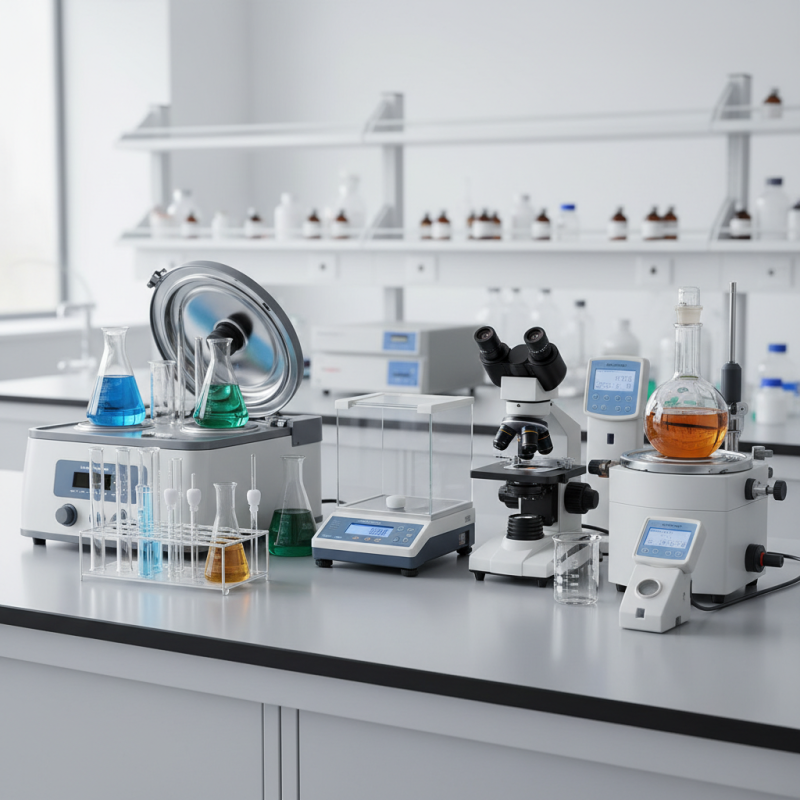
In a laboratory environment, safety is paramount. Essential safety equipment can prevent accidents and ensure a secure workspace. Personal protective equipment (PPE) is crucial. This includes gloves, goggles, and lab coats. Each item serves a specific purpose. Gloves protect hands from chemicals. Goggles shield eyes from splashes. Lab coats guard clothing against spills.
Proper ventilation is also vital. Fume hoods help manage hazardous vapors. They minimize exposure to harmful substances. Eyewash stations are another essential feature. In an emergency, they provide immediate aid. Fast access to clean water can save eyesight. Additionally, safety showers are critical. They rinse chemicals off skin quickly.
Regular training is necessary. Staff must understand how to use equipment safely. Conduct drills to prepare for emergencies. An accident can happen in an instant. Reflecting on past incidents can improve safety protocols. Continually updating safety measures is crucial for a lab's integrity. Every lab should prioritize creating a culture of safety.
Key Measurement Instruments for Accurate Scientific Research
In any scientific research setting, precise measurements are critical. Various instruments ensure accuracy in experiments. Tools like balances, spectrophotometers, and pipettes play essential roles. Balances help determine mass with high accuracy, which is fundamental in chemistry. A small error in measurements can lead to incorrect results.
Spectrophotometers offer insights into light absorption properties of substances. This helps in quantifying sample concentrations effectively. Meanwhile, pipettes allow for the transfer of small liquid volumes. Mastering their use affects the reliability of experiment outcomes. Research can be compromised by tiny inaccuracies.
Lab thermometers and data loggers also contribute significantly. They provide accurate temperature readings, crucial for many experiments. However, these instruments require regular calibration. Skipping this can lead to misleading data. Scientists must reflect on their choice of instruments and the training they provide to lab members. Good science hinges on accuracy and skill, making every measurement count.
Top 10 Scientific And Laboratory Equipment You Need for Your Lab
| Equipment Name | Key Function | Measurement Range | Accuracy | Typical Use |
|---|---|---|---|---|
| Digital Thermometer | Measures temperature | -50°C to 150°C | ±0.5°C | Biological research |
| pH Meter | Measures pH levels | 0 to 14 pH | ±0.01 pH | Chemical analysis |
| Spectrophotometer | Measures light absorption | 200 nm to 800 nm | ±0.005 Abs | Quantitative analysis |
| Centrifuge | Separates substances | Up to 20,000 RPM | N/A | Cell culture |
| Analytical Balance | Measures mass | 0.01 g to 200 g | ±0.0001 g | Gravimetric analysis |
| Fume Hood | Protects from fumes | N/A | N/A | Chemical handling |
| Incubator | Maintains temperature | 20°C to 40°C | ±0.1°C | Cell culture |
| Water Bath | Heats samples evenly | Room temp to 100°C | ±0.5°C | Sample preparation |
| Microscope | Magnifies small objects | Up to 1000x magnification | N/A | Biological observation |
| Refrigerator | Keeps samples cool | 2°C to 10°C | N/A | Sample storage |
Must-Have Laboratory Tools for Biological Experiments
In any biological laboratory, certain tools are indispensable. Micropipettes allow precise measurement of liquids, making them essential for experiments. Their accuracy is critical for results in biological assays. Balance scales, although basic, are vital for weighing samples. However, users need to regularly calibrate them for optimal accuracy.
Another key item is the centrifuge. It separates components of mixtures through rapid spinning. Many researchers struggle with understanding the appropriate settings. A user-friendly manual is necessary for setting it up correctly. Autoclaves sanitize equipment using high-pressure steam. While they are effective, failure to maintain them can lead to contamination.
Safety goggles and gloves cannot be overlooked. They protect researchers from spills and splashes. Nonetheless, lab personnel must be trained on proper usage. It's crucial to remember that even routine tools require regular checks. This diligence ensures reliability during experiments. Each piece of equipment plays a role and reflects the lab's commitment to quality research.
Top 10 Must-Have Laboratory Tools for Biological Experiments
Analytical Devices for Testing and Quality Control
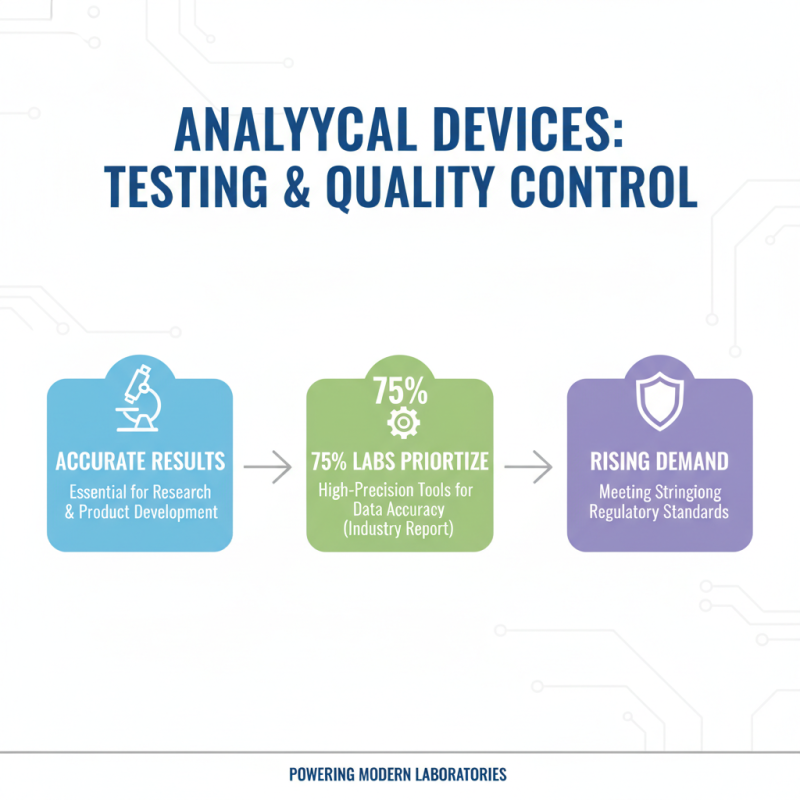
In modern laboratories, analytical devices play a crucial role in testing and quality control. These devices ensure accurate results, which are essential for research and product development. According to a recent industry report, 75% of laboratories prioritize investing in high-precision tools for data accuracy. The demand for reliable analytical devices continues to rise as industries aim to meet stringent regulatory standards.
Selecting the right equipment can be challenging. Some labs struggle with outdated technology, affecting test reliability. Modern spectrometers, chromatographs, and balances are pivotal. They help detect impurities and verify compositions effectively. The Global Laboratory Equipment Market report highlights that the market is set to grow by 7% annually. However, determining which devices contribute most to improved accuracy remains a topic of discussion among experts.
Proper training on these devices is often overlooked. Misinterpretations can lead to flawed conclusions. Research indicates that 30% of lab errors arise from improper use of analytical equipment. Ensuring staff proficiency can mitigate these issues. Ongoing evaluation is essential to maintain quality standards. Emphasizing these aspects can enhance testing protocols in any laboratory.
Fundamental Equipment for Chemical Synthesis and Reactions
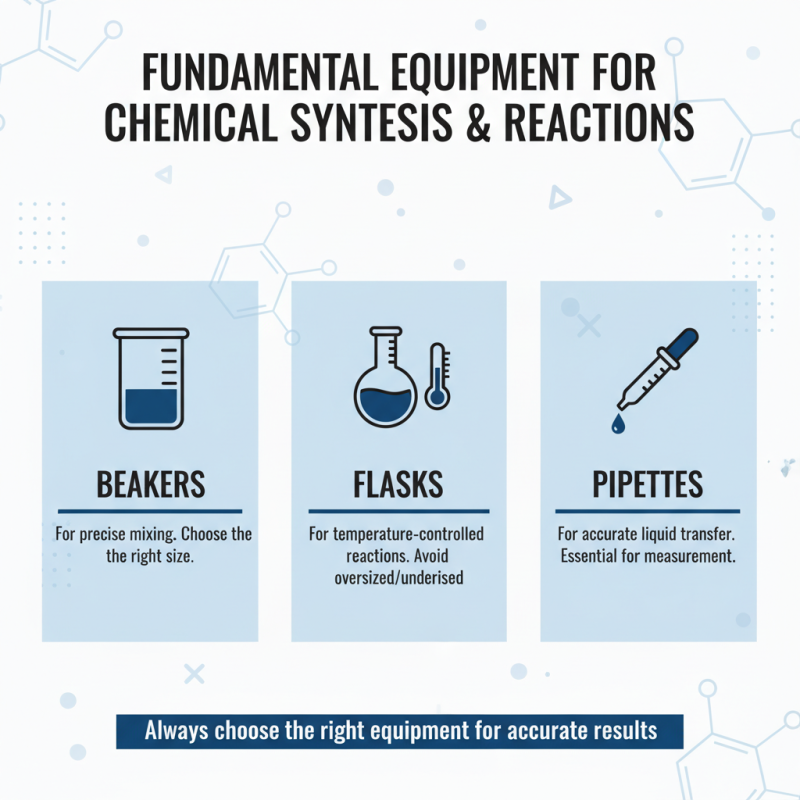
In any laboratory, essential equipment plays a critical role in conducting chemical synthesis and reactions. Among the fundamental tools are beakers, flasks, and pipettes. Beakers enable precise mixing, while flasks can accommodate reactions requiring temperature control. A simple tip is to always choose the right size. Oversized or undersized containers can lead to inaccurate results.
Glassware must be durable. Use high-quality materials to prevent breakage during experiments. For heating purposes, a hot plate is an excellent choice. It provides even heating, unlike traditional burners. However, care must be taken to avoid overheating, which could compromise your samples.
Another crucial piece of equipment is the analytical balance. It ensures accurate measurements of your chemicals, a vital aspect of any reaction. Flawed measurements can lead to disastrous outcomes. Regular calibration is advisable, even if it feels tedious. Additionally, always keep your workspace clean and organized. A cluttered area can lead to mistakes and reduce safety. Simple habits like labeling containers can make a huge difference in efficiency.
Related Posts
-
Ultimate Guide to Your Small Lab Equipment Checklist for Efficient Operations
-
Top 10 Essential Lab Equipment Every Scientist Needs?
-
How to Choose the Right Lab Equipment for Your Scientific Needs
-

Ultimate Guide to Sourcing Quality Equipment from the Best Lab Equipment Store
-
Unveiling the Best Laboratory Products Exploring Innovative Alternatives for Enhanced Performance
-
Challenges in Selecting the Right Laboratory Equipment: Insights from Industry Trends