




What is a Permanent Magnet DC Motor and How Does it Work?
The Permanent Magnet DC Motor (PMDC) is a critical component in various industrial applications. Its simple design and efficient performance make it a preferred choice in the automotive, aerospace, and robotics sectors. According to a report by MarketsandMarkets, the global market for DC motors is projected to reach $14.4 billion by 2026, driven by an increasing demand for automation and precise control systems.
PMDCs utilize permanent magnets to produce a magnetic field, allowing for direct current operation. This motor type is characterized by low maintenance and high reliability. Despite these advantages, there can be issues with overheating and efficiency drops under heavy loads. Data from industry analyses indicate that motor efficiency can vary based on design and application, highlighting the need for careful selection and optimization.
As industries evolve, the applicability of PMDCs continues to expand. However, those looking to implement these motors must consider their limitations. Factors such as torque performance and potential wear over time require ongoing attention. Ongoing research aims to mitigate these challenges, but reflection on real-world applications remains crucial for successful integration.
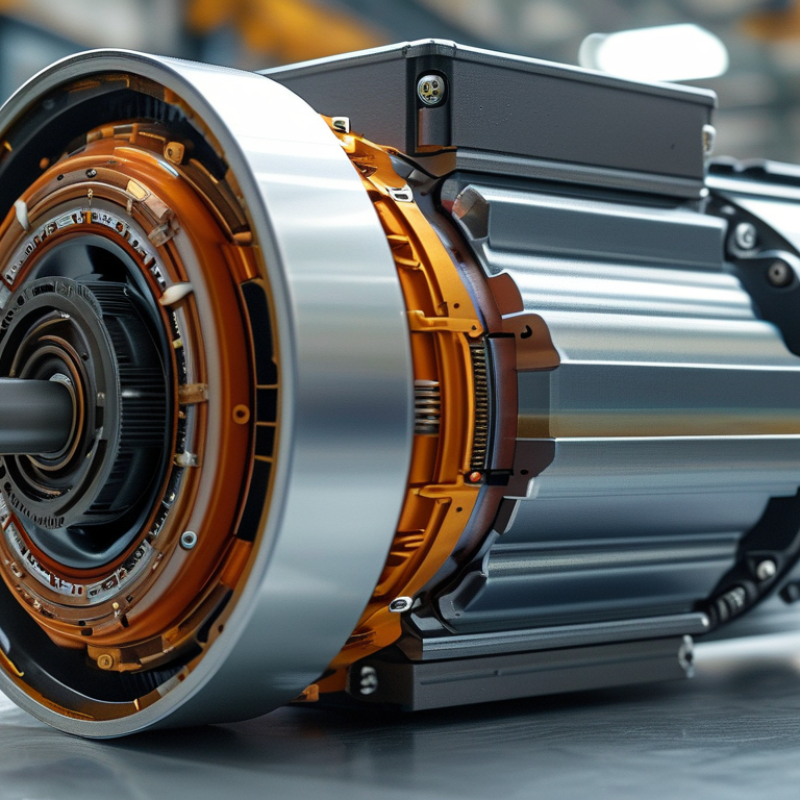
What is a Permanent Magnet DC Motor?
A Permanent Magnet DC (PMDC) motor is a type of electric motor that uses permanent magnets to create a magnetic field. This design simplifies the motor, eliminating the need for additional electrical windings on the rotor. The rotor spins in a magnetic field created by these permanent magnets. This interaction generates torque, allowing the motor to produce rotational motion.
The simplicity of PMDC motors makes them popular in many applications. They are commonly found in small devices like toys, fans, and household appliances. These motors are efficient and often require less maintenance compared to other types of DC motors. However, their performance can be heavily influenced by temperature changes, leading to potential reductions in torque.
One challenge with PMDC motors is the limited control over speed. Unlike brushless motors, they often do not provide precise speed regulation. The reliance on permanent magnets can also mean a higher initial cost. This trade-off raises important questions about where to use this motor type effectively. Careful consideration is essential to balance performance needs and costs.
Key Components of a Permanent Magnet DC Motor
A Permanent Magnet DC Motor (PMDC) is a common type of electric motor. Its design features several critical components that work in harmony to generate motion. One of the key elements is the stator, which houses the permanent magnets. These magnets create a constant magnetic field essential for the motor's operation. Their strength influences the efficiency and torque produced.
Another vital component is the rotor, which contains the armature windings. As current flows through these windings, a magnetic field is induced. This interaction with the stator's magnetic field causes the rotor to spin. The commutator is also essential, as it ensures that the current direction in the rotor windings reverses with each half-turn. This maintains continuous motion.
Incorporating brushes, which are in contact with the commutator, ensures reliable electrical connections. However, wear on brushes can lead to maintenance issues. Over time, friction may cause inefficiencies. Understanding these components is crucial for anyone looking to work with PMDC motors. The dynamics involved can offer both opportunities and challenges in design and application.
Performance of Permanent Magnet DC Motors Under Different Loads
The Principle of Operation for Permanent Magnet DC Motors
Permanent Magnet DC (PMDC) motors are widely used in various applications, from household appliances to industrial machines. Their operation relies on the interplay between magnetic fields and electric current. A permanent magnet creates a steady magnetic field. When current flows through the winding, it generates a magnetic field. This interaction produces torque, causing the rotor to spin.
The efficiency of PMDC motors is impressive. According to industry reports, they can achieve efficiencies exceeding 85% under optimal load conditions. However, their performance can decline if the load is not well-matched. Inconsistent power sources may also cause inefficiencies. Heat generation is another concern; excessive heat can lead to reduced motor life.
Load variations can affect motor speed. If the load increases suddenly, the speed may drop unexpectedly. Such fluctuations are critical to consider in design choices. Industry experts recommend careful load assessments to ensure reliability. Understanding these dynamics helps in selecting appropriate applications for PMDC motors. Their simplicity and efficiency make them a popular choice, but attention to detail is important to maintain performance.
What is a Permanent Magnet DC Motor and How Does it Work?
| Feature | Description |
|---|---|
| Type | Permanent Magnet DC Motor |
| Operating Principle | Uses a permanent magnet to create a magnetic field, allowing the current in the armature to interact and produce motion. |
| Components | Stator, Rotor, Commutator, Brushes |
| Applications | Used in various applications such as fans, toys, electric vehicles, and robotics. |
| Advantages | Simple design, high efficiency, compact size, low maintenance. |
| Disadvantages | Limited speed range, potential for demagnetization under high temperatures. |
| Speed Control | Commonly achieved through varying voltage or using PWM (Pulse Width Modulation). |
Applications of Permanent Magnet DC Motors
Permanent Magnet DC (PMDC) motors have a myriad of applications across various industries. Their compact design and high efficiency make them ideal for machinery like electric bicycles and scooters. These motors provide consistent torque and speed, which is essential for maintaining performance in everyday vehicles.
Another significant application is in robotics. PMDC motors drive small, precise movements essential for robotic arms and drones. Their reliability allows for repetitive tasks with minimal wear and tear. The challenge lies in ensuring heat dissipation, as overheating can affect performance over time.
Additionally, PMDC motors are favored in home appliances. From washing machines to vacuum cleaners, they help provide energy-efficient solutions. However, their efficiency can drop with continuous use. It's crucial for manufacturers to consider thermal management systems to enhance longevity. Finding the right balance of power and cooling is an ongoing area of research, emphasizing the need for innovation in design and application.
Advantages and Limitations of Permanent Magnet DC Motors
Permanent Magnet DC Motors (PMDC) are widely used due to their simplicity and efficiency. They operate using a permanent magnet to create a magnetic field, enabling smooth rotation. The advantages of PMDC motors include high efficiency, compact design, and low maintenance requirements. According to a report by Research and Markets, the global market for PMDC motors is expected to reach $2.1 billion by 2025, highlighting their growing significance in various industries.
However, PMDC motors are not without limitations. They have a lower torque-to-weight ratio compared to other motor types, making them less suitable for high-torque applications. Additionally, the permanent magnets can degrade over time, affecting performance. The operating temperature is also a factor; extreme conditions can lead to demagnetization. A study by the Institute of Electrical and Electronics Engineers suggests that while these motors excel in cost-effectiveness, engineers must consider their long-term reliability in design choices.
Balancing the pros and cons is essential in engineering applications. It's important to evaluate specific requirements before opting for PMDC motors. While their efficiency can reduce energy costs, the potential for performance issues warrants careful planning and consideration. This approach ensures that the selected motor type aligns with both project needs and long-term operational goals.
