




Laboratory Set Up Tips for Optimal Efficiency and Cost Savings?
Setting up a laboratory efficiently can significantly impact overall research productivity and cost-effectiveness. According to a 2022 report by Lab Manager, improper lab design can increase operational costs by up to 30%. This highlights the importance of effective Laboratory Set Up to streamline processes and enhance workflow.
Lab managers face challenges such as space limitations and equipment constraints. A well-thought-out design can help mitigate these issues. The American Chemical Society emphasizes that optimizing lab layouts reduces bottlenecks and accelerates project timelines. For instance, integrating modular furniture and flexible layouts can adapt to changing research needs.
However, not all laboratory setups are created equal. Some researchers overlook the importance of regular assessments and adjustments. This can lead to inefficiencies in both time and resources. Reflecting on past setups may reveal crucial lessons for future designs. Focusing on continuous improvement in Laboratory Set Up will ultimately yield better results and more cost-effective operations.
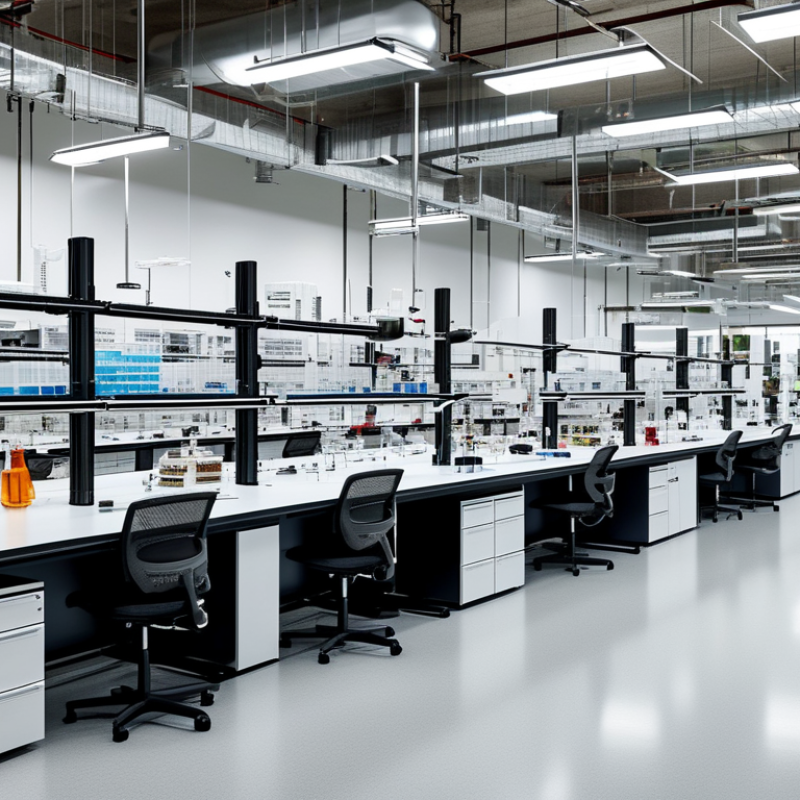
Choosing the Right Laboratory Space and Layout for Efficiency
Creating an effective laboratory space requires careful planning and layout design. A well-organized lab can significantly enhance productivity. According to a 2021 report by the American Laboratory, inefficient layouts can lead to a 30% loss in overall workflow efficiency. This shows that the design of physical spaces directly affects outcomes.
When choosing the laboratory space, consider flexibility. Labs should allow changes in equipment and workflows. Open layouts encourage collaboration, while designated zones for specific tasks can minimize clutter. Additionally, a balance between open areas and enclosed spaces is crucial. This balance can reduce distractions while promoting team dynamics.
Lighting is also vital. Natural light can boost morale and concentration. A study from the International Journal of Environmental Research found that proper lighting improves worker alertness by 20%. However, not all labs can utilize windows. Thus, investing in high-quality LED lights is a practical alternative. As you think about your laboratory, don't overlook these details. Reflections on space usage can lead to insights about potential setbacks in efficiency.
Essential Equipment Selection for Cost-Effective Laboratory Operations
Selecting the right equipment is fundamental for cost-effective laboratory operations. Research indicates that proper selection can save up to 30% on operational costs. For instance, energy-efficient appliances can significantly lower utility bills. Using multi-functional equipment also reduces the need for additional devices, allowing for more space and less maintenance expense.
When setting up a lab, consider the specific needs of your operations. Invest in essential instruments that directly contribute to your projects. Many laboratories overlook the importance of proper calibration tools. These tools can enhance accuracy and reliability. Regular calibration minimizes errors that can lead to costly re-runs of experiments.
Another tip is to prioritize equipment that offers durability. Cheaper options may seem appealing initially, but they can end up costing more in repairs and replacements. It’s also crucial to assess the value of purchasing used or refurbished equipment. While this can provide financial relief, ensure it meets the standards necessary for your applications. Balancing cost with quality is an ongoing challenge in lab management. Evaluating your choices carefully can make a significant difference in your lab’s efficiency.
Implementing Effective Inventory Management Practices in Labs
Effective inventory management is crucial for laboratory efficiency. Keeping track of supplies can save time and money. Streamlined processes help prevent stockouts and overstock situations. Regular inventory audits can identify slow-moving items. This prevents waste and optimizes storage space.
Adopting a digital inventory system can improve accuracy. Manual counting is prone to errors. Digital tools offer real-time updates and alerts. This assists in maintaining the right stock levels. Staff training in inventory practices is essential. They should understand the importance of accurate logging and timely reporting. Inconsistent practices can lead to resource misallocation.
However, implementing these systems isn’t always straightforward. Some labs face resistance to change. Others struggle to adapt to technology. Continuous refinement of processes is necessary. Regular feedback from staff can lead to improvements. Balancing efficiency with practicality requires ongoing effort.
Adopting Sustainable Practices for Cost Savings in Laboratory Settings
Sustainable practices in laboratory settings can drive significant cost savings while also enhancing efficiency. According to a report by the U.S. Department of Energy, laboratories can reduce energy consumption by 30% through better practices. Simple steps like upgrading to energy-efficient equipment can lead to immediate financial benefits. However, many labs hesitate to invest upfront, despite long-term savings.
Water conservation is another area of concern. The Environmental Protection Agency states that labs can waste up to 3 billion gallons of water annually. Implementing low-flow fixtures can enhance sustainability and reduce costs. Some facilities report savings of up to $2,000 per year just by adjusting their water usage. Many laboratories overlook these changes, often due to a lack of awareness or resistance to change.
Waste management practices also need attention. The stats show that labs generate approximately 5.6 million tons of hazardous waste annually. Improving recycling efforts can alleviate disposal costs. Innovative recycling programs can facilitate proper waste segregation and limit expenses. Yet, organizations may struggle with compliance, often leading to missed opportunities for cost recovery. Engaging staff in training can foster a culture of sustainability and efficiency, making it essential for laboratories aiming to reduce operational costs.
Training and Development for Staff to Maximize Laboratory Productivity
Training and development play crucial roles in enhancing laboratory productivity. According to a report by the National Institutes of Health, well-trained staff can boost lab efficiency by up to 30%. Effective training ensures that staff are familiar with techniques and procedures. This familiarity reduces errors, maximizing the utility of costly laboratory equipment.
Investing in regular workshops is a key strategy. These workshops should focus on new technologies and methods. A study from the American Association for Laboratory Accreditation (AALA) found that labs that conducted ongoing training reported 25% fewer operational delays. However, frequent training can strain resources. Balancing the schedule is essential.
Evaluating training effectiveness is often overlooked. Implementing feedback mechanisms can identify knowledge gaps. Surveys and performance assessments can help. Some laboratories still rely on outdated training materials. Updating these resources can significantly impact productivity. Recognizing areas for improvement drives continuous development. This reflection can nurture an environment where staff feel supported and valued.
Related Posts
-
Step-by-Step Guide to Effectively Setting Up Your Laboratory for Optimal Performance
-

Essential Checklist for Sourcing the Best Scientific Laboratory Products Globally
-
Mastering Best Laboratory Tools and Equipment for Efficient Experimentation
-
Top 10 Essential Lab Equipment Every Scientist Needs?
-
Understanding the Unique Features and Applications of the Best Used Scientific Equipment for Global Buyers
-
How to Choose the Best Lab Equipment for Your Research Needs
