





How to Choose Vitamins to Boost the Immune System?
Choosing Vitamins To Boost Immune System health begins with a clear question: what does your body actually need? A crowded supplement shelf can make this difficult. Bright labels promise stronger defenses, faster recovery, and year-round protection. The evidence is more careful. Vitamins support normal immune functions, but they do not replace sleep, balanced meals, vaccinations, or medical care.
Dr. JoAnn Manson, chief of preventive medicine at Brigham and Women’s Hospital, has emphasized, “There is no magic pill to prevent disease.” Her warning matters when evaluating vitamin products. Vitamin C, vitamin D, vitamin A, zinc, and other nutrients may help when intake is inadequate. Benefits are less certain when someone already receives enough through food. More is not automatically better. Excess vitamin A can harm the liver, while excessive zinc may interfere with copper absorption.
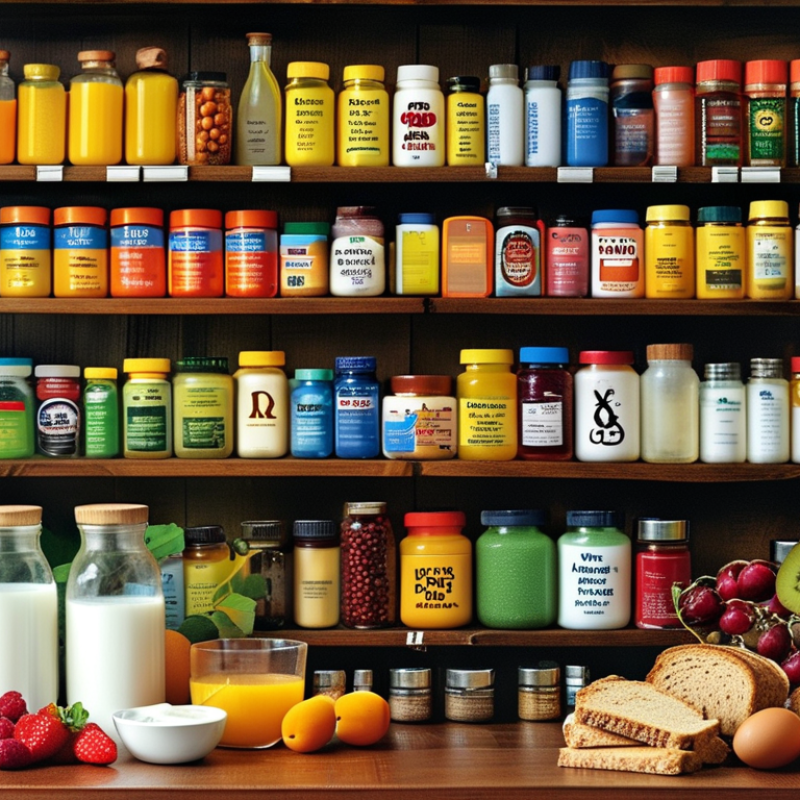
This guide examines how to choose Vitamins To Boost Immune System support responsibly. It considers nutrient gaps, dosage, ingredient quality, third-party testing, and possible medication interactions. A simple breakfast shows the difference: eggs, berries, yogurt, and whole-grain toast provide several immune-related nutrients without relying on one capsule. Still, diets vary. A person with limited sunlight exposure may need different advice from someone eating fortified foods daily.
Some recommendations remain imperfect. Research does not answer every question equally well. Marketing can sound more confident than science. That is why a pharmacist, registered dietitian, or physician should review special needs, pregnancy, chronic illness, and long-term supplement use. The best choice is usually specific, moderate, and evidence-informed—not the most expensive bottle.
Assess Immune Needs Using NIH RDAs: Vitamin A 700–900 mcg RAE
How to Choose Vitamins to Boost the Immune System?
Vitamin A supports immune barriers, including the skin, airways, and intestinal lining. The NIH Office of Dietary Supplements reports adult RDAs of 700 mcg RAE for women and 900 mcg RAE for men. These values come from National Academies Dietary Reference Intakes. Pregnancy raises the target to 770 mcg RAE. Lactation raises it to 1,300 mcg RAE.
Check your daily pattern before choosing a supplement. Eggs, dairy foods, fish, and colorful vegetables can contribute vitamin A. Orange vegetables provide beta-carotene, which the body converts into vitamin A. Conversion differs between people. It is not perfectly predictable. A food diary may reveal gaps better than guesswork.
More is not automatically better. The NIH lists 3,000 mcg RAE daily as the adult upper limit for preformed vitamin A. Excess intake can affect the liver, bones, and pregnancy safety. People who smoke or formerly smoked should avoid high-dose beta-carotene supplements, because major clinical trials found increased lung cancer risk. Ask a qualified clinician before supplementing, especially with liver disease or pregnancy. RDA numbers guide decisions; they do not diagnose deficiency. A blood test may help, but interpretation still requires context.
How to Choose Vitamins to Boost the Immune System? - Assess Immune Needs Using NIH RDAs: Vitamin A 700–900 mcg RAE
| Assessment Dimension | NIH-Based Information | Practical Consideration |
|---|---|---|
| Primary role | Vitamin A supports normal vision, reproduction, growth, epithelial tissues, and immune-system function. | Adequate intake supports normal immune function, but taking more than needed does not guarantee stronger immunity. |
| Recommended Dietary Allowance (RDA): adult women | 700 mcg RAE per day for women aged 19 years and older. | Use the RDA as a daily intake target from food and, when needed, supplements combined. |
| Recommended Dietary Allowance (RDA): adult men | 900 mcg RAE per day for men aged 19 years and older. | Individual requirements can vary with age, health status, and diet quality. |
| Pregnancy | 770 mcg RAE per day for pregnant adults. | Avoid high-dose vitamin A supplements during pregnancy unless specifically prescribed by a healthcare professional. |
| Breastfeeding | 1,300 mcg RAE per day for breastfeeding adults. | Discuss supplement selection with a qualified healthcare professional, particularly when using multiple products. |
| Tolerable Upper Intake Level (UL) | 3,000 mcg RAE per day for adults, applying to preformed vitamin A from animal foods and supplements. | The UL does not apply to beta-carotene from food. Check labels to avoid unintentionally combining high-dose products. |
| Recommended food sources | Sweet potatoes, carrots, spinach, kale, pumpkin, fortified milk, eggs, and some fish. | A varied diet usually provides vitamin A through preformed vitamin A and provitamin A carotenoids. |
| Preformed vitamin A | Retinol and retinyl esters are found mainly in animal foods and some dietary supplements. | Excessive supplemental or dietary preformed vitamin A can cause toxicity; liver is particularly concentrated. |
| Provitamin A carotenoids | Beta-carotene and related carotenoids are converted by the body into vitamin A; common sources are orange, yellow, and dark-green vegetables. | Food-based carotenoids are generally preferred. High-dose beta-carotene supplements are not appropriate for people who smoke or formerly smoked. |
| Signs associated with deficiency | Severe deficiency may impair vision, especially in low light, and weaken immune defenses. Deficiency is uncommon in healthy adults with varied diets in many countries. | Do not self-diagnose based on symptoms. Risk can be higher with fat-malabsorption disorders or severely restricted diets. |
| Unit on supplement labels | Vitamin A is listed in micrograms (mcg) RAE. 1 mcg RAE equals 1 mcg retinol, 12 mcg dietary beta-carotene, or 24 mcg other provitamin A carotenoids. | Compare the label with the RDA and account for all vitamin A-containing foods and supplements. |
| Medication and health considerations | Vitamin A can interact with some medicines, and high intakes may be unsafe in pregnancy or certain liver conditions. | Ask a healthcare professional before supplementation if pregnant, managing liver disease, taking retinoid medicines, or using several supplements. |
| Selection guideline | Choose a product only when dietary intake is inadequate or a healthcare professional recommends it. | Prefer an amount close to the individual RDA rather than a megadose, and avoid combining multiple vitamin A products. |
Reference note: Values are based on Dietary Reference Intakes published by the U.S. National Institutes of Health Office of Dietary Supplements and the National Academies. RAE means retinol activity equivalents.

