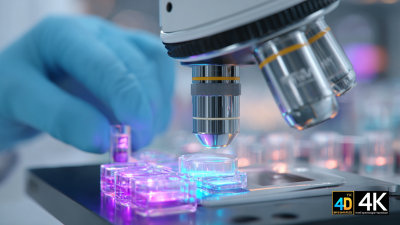




How to Buy Used Laboratory Equipment in 2026?
Buying Used Laboratory Equipment in 2026 requires more than comparing online prices. It demands careful judgment, technical knowledge, and documented evidence. A low-cost centrifuge may look attractive, yet worn rotors, outdated software, or missing accessories can quickly increase expenses. The safest purchase begins with a clear specification sheet. Record the required speed, capacity, accuracy, voltage, dimensions, and intended workload.
Experienced buyers inspect photographs closely and request recent operating videos. They ask for serial numbers, maintenance history, calibration certificates, and service reports. A trustworthy seller should explain previous use without avoiding difficult questions. For temperature-sensitive instruments, check the displayed reading against an independent reference thermometer. For balances, ask whether the repeatability test was recently completed. Small details matter. A loose cable can signal poor storage or careless handling.
Reliable purchasing also includes decontamination records, warranty terms, installation support, and return conditions. Confirm that replacement parts and technical assistance remain available in your region. Compare the total cost, including freight, insurance, testing, repairs, and staff training. Professional laboratories should also verify compatibility with current methods and quality systems. However, no inspection plan is perfect. Hidden damage may appear after installation, especially in equipment stored for long periods. That possibility should shape the budget and contract. This guide explains practical ways to evaluate Used Laboratory Equipment, reduce avoidable risks, and make decisions based on evidence rather than attractive listings. Experienced advice helps, but independent verification remains essential.
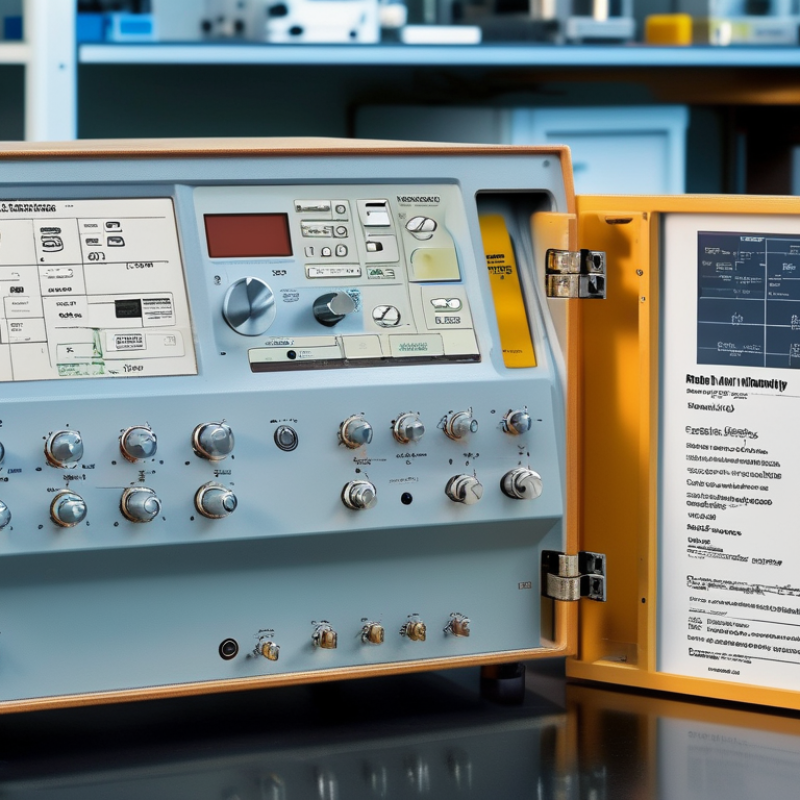
Define Your Used Laboratory Equipment Needs and Budget
Before searching for used laboratory equipment, define the experiment, not the machine. Write down required capacity, measurement range, accuracy, materials, software, and installation limits. A benchtop device may look affordable, but a missing controller or outdated interface can stop your work. According to UNESCO’s 2021 Science Report, global research and development spending reached about 1.7% of global GDP. Competition for equipment funding remains real.
Set a purchase ceiling, then reserve 15–25% for transport, installation, calibration, consumables, and repairs. Keep it practical.
Compare the full cost over three years. Request serial records, maintenance logs, calibration certificates, operating hours, error history, and photographs of connectors and internal surfaces. Confirm that replacement parts and technical support remain available. The 2023 NCSES Higher Education R&D Survey reported that U.S. higher-education research spending exceeded 100 billion dollars, showing how carefully institutions track research resources.
Your budget should follow the same discipline. My first estimate was too optimistic; delivery and calibration changed the final figure. That mistake was useful.
Ask whether the equipment still meets your method’s acceptance criteria, preferably against ISO/IEC 17025 calibration practices. If the seller cannot explain its testing process, pause. A lower price is not a lower risk.
Identify Reliable Sellers and Verify Equipment Histories
How to Buy Used Laboratory Equipment in 2026?
Finding reliable sellers requires more than comparing prices. Check whether the seller provides a physical address, business registration details, and reachable technical staff. Ask for recent customer references, not only online ratings. A serious seller should answer specific questions about usage, maintenance, storage, and previous repairs. Request clear photographs of the equipment, accessories, control panels, and nameplate. Better still, arrange a live video inspection. Small details matter. Dust inside vents may suggest poor storage. Mismatched screws can indicate undocumented repairs.
Verify the equipment history before discussing payment. Record the serial number, manufacturing date, operating hours, calibration records, service reports, and ownership changes. Ask for the original user manual and any software or accessory list. Calibration certificates should show the testing date, method, and responsible laboratory. Contact that laboratory independently when possible. Do not rely on a document supplied without verification. A clean file can still hide missing years.
I also recommend testing performance with agreed acceptance criteria. For temperature-controlled equipment, request a recorded stability test. For analytical instruments, ask for results using suitable reference materials. Put the test conditions, warranty, delivery responsibilities, and return procedure in writing. Some sellers sound professional but avoid measurable commitments. I have learned that a low price can conceal expensive repairs, unavailable parts, or outdated software. My judgment is not perfect, so I keep a written risk checklist and invite an experienced technician to review uncertain purchases.
Evaluate Technical Condition, Specifications, and Compliance
Buying used laboratory equipment in 2026 requires more than comparing prices. A polished cabinet may hide unstable temperature control, worn seals, or outdated firmware. I inspect the unit under working conditions, not only in photographs. Ask for recent service records, calibration certificates, maintenance logs, and the reason for sale. Missing paperwork is a warning, but not automatic rejection. Older records can sometimes be verified through test results and technician notes. That distinction matters.
Match specifications to the actual method. Check temperature range, accuracy, uniformity, capacity, electrical requirements, interface ports, and software compatibility. For analytical instruments, request a demonstration using suitable reference materials. For centrifuges, examine rotor condition, speed verification, lid locks, and imbalance protection. Small defects matter. A noisy fan may signal a larger cooling problem. A failed self-test should never be treated as minor inconvenience.
Compliance needs evidence. Confirm the identification plate, user manuals, safety labels, and available risk assessments. Review local electrical, workplace, and environmental requirements before purchase. Ask whether installation, decontamination, transport, and recommissioning are documented. An independent technician should inspect critical systems before payment. I would not trust a seller’s confidence alone. My own judgment can also be wrong, especially when testing time is limited. Record every defect, estimate repair costs, and compare them with the equipment’s verified performance.
Compare Prices, Warranties, Shipping, and Service Options
When buying used laboratory equipment in 2026, compare more than the advertised price. Request recent calibration records, maintenance logs, operating hours, and clear photographs of critical components. A lower price may hide missing software, worn seals, or discontinued parts. Ask for the equipment’s serial number and previous application history. Those details reveal how heavily it was used.
Warranty terms deserve careful reading. Check whether coverage includes labor, replacement parts, return shipping, and on-site service. Some sellers offer only a short power-on warranty, which may not protect performance. Request a written acceptance test with measurable limits before payment. For example, temperature stability, vacuum pressure, or measurement accuracy should match your laboratory’s requirements. I have found that vague promises create expensive disagreements.
Shipping can also change the final cost. Compare crate construction, insurance, installation, customs handling, and delivery to the laboratory door. Sensitive instruments may require shock indicators and controlled temperatures. Ask who handles damage claims. Service availability matters after installation. Confirm response times, technician qualifications, spare-part access, and remote troubleshooting options. A nearby service provider can be more valuable than a small discount. Still, service claims need verification through references or documented repair records. I would not rely on polished photographs alone. A video demonstration helps, but it cannot replace an independent inspection. Allow time for testing, because rushed purchases often expose weaknesses later.
Complete the Purchase, Inspection, Installation, and Validation
How to Buy Used Laboratory Equipment in 2026?
Buying used laboratory equipment in 2026 requires more than comparing prices. Define the test method, operating range, accuracy, and installation conditions first. Request service records, calibration certificates, software details, and clear photographs of wear points. Ask why the equipment was removed from service. A vague answer deserves caution.
Measure twice. Do not guess. I have learned that a low purchase price can hide missing accessories, unstable temperature control, or outdated software.
Inspection should follow a written checklist and involve a qualified technician. Check labels, cables, chambers, seals, moving parts, alarms, and electrical safety. Compare displayed readings with a traceable reference where possible.
Record every defect before signing acceptance documents. A short video of the equipment operating under normal conditions can reveal unusual noise or slow temperature recovery. Still, remote inspection has limits. It cannot replace hands-on testing.
Installation must match the manufacturer’s technical requirements, including power, ventilation, water, drainage, and bench capacity. Verify that staff understand startup, cleaning, shutdown, and emergency procedures.
During validation, document installation qualification, operational checks, and performance results against predefined criteria. Repeat critical measurements on different days. If results drift, stop routine use and investigate.
My first checklist was too general; adding acceptance limits made later decisions clearer and more defensible. Keep all records, including failed tests, repairs, training, and final approval.
Related Posts
-
Maximizing Repair Cost Efficiency with Best Biotechnology Equipment for Future Innovations
-
Top 10 Essential Lab Equipment Every Scientist Needs?
-
Top 10 Lab Equipment Suppliers for Global Buyers
-
Unlocking Quality: Proven Techniques for Sourcing the Best Used Laboratory Equipment
-
Understanding the Unique Features and Applications of the Best Used Scientific Equipment for Global Buyers
-
Challenges in Selecting the Right Laboratory Equipment: Insights from Industry Trends