





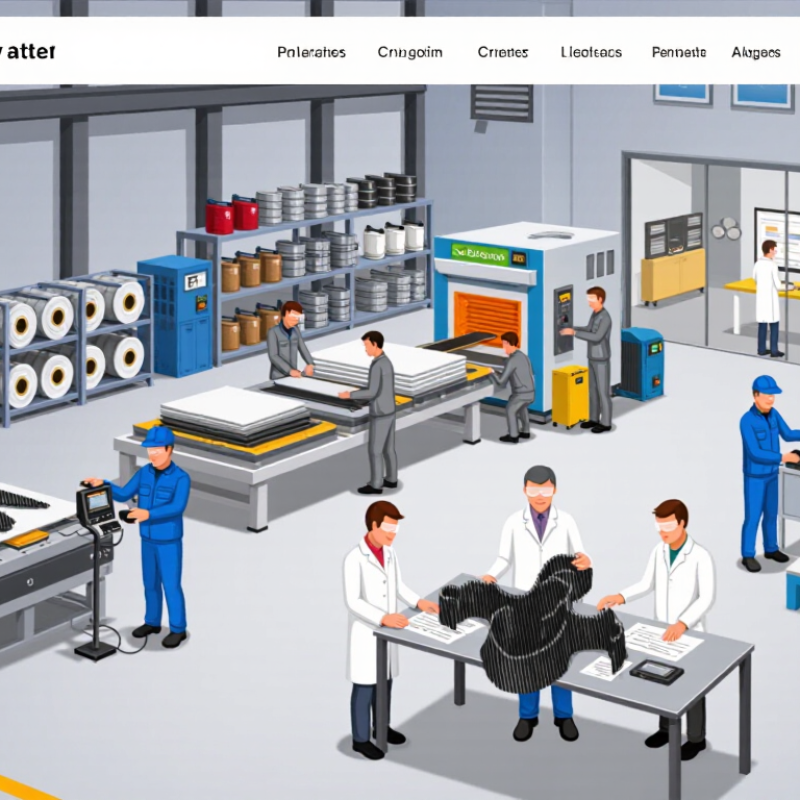
Choosing a composite part supplier starts with technical evidence, not an attractive website. Review experience with your exact process, such as compression molding, filament winding, or automated fiber placement. Ask for similar part histories, dimensional records, and documented corrective actions. A supplier may claim twenty years of experience. That does not prove experience with your resin system or tolerance requirements.
Material knowledge is equally important. Request traceability from incoming fiber and resin through final inspection. Check storage temperatures, shelf-life controls, cure profiles, and batch records. MarketsandMarkets’ 2024 Composite Materials Market report projects the global market to reach about USD 188.9 billion by 2028, with an annual growth rate near 8.4%. Rapid growth can expand capacity, but it may also bring inexperienced subcontractors. Look beyond certificates. Confirm who actually controls the process.
Manufacturing capability should be tested through a small, measurable build. Review tooling accuracy, inspection equipment, nondestructive testing, and production scalability. The supplier should explain how it controls void content, fiber alignment, and surface defects. ASTM composite testing standards can support comparable results between suppliers. A polished audit can still miss weak process discipline. I would ask for raw inspection data, not only pass-fail summaries. Also, verify whether the quoted lead time includes tooling, material approval, rework, and final inspection. A low price is not useful if the first article arrives late or requires repeated correction.

