




How to Choose the Best Red Light Device for Your Needs?
Red Light Devices have gained popularity in various health and wellness sectors. Reports indicate that the global red light therapy market is expected to reach $1.3 billion by 2025. This growth underscores a significant interest in these devices for various therapeutic uses. Experts emphasize the importance of understanding individual needs when selecting a Red Light Device. Dr. Mark Hyman, a renowned functional medicine physician, stated, “Choosing the right red light therapy device can significantly impact your health outcomes.”
With numerous options available, choosing the best Red Light Device can be overwhelming. Devices vary in wavelength, intensity, and design. Each of these factors plays a crucial role in effectiveness. Research highlights that specific wavelengths are more effective for certain conditions. However, not all devices provide detailed information on these specifications, which can lead to buyer confusion.
Consumers often overlook personal goals and medical history when purchasing. Effective results depend on aligning the device features with individual health needs. Take time to research different brands and consult professionals. This approach helps avoid poor decisions and ensures a worthwhile investment in your health journey.
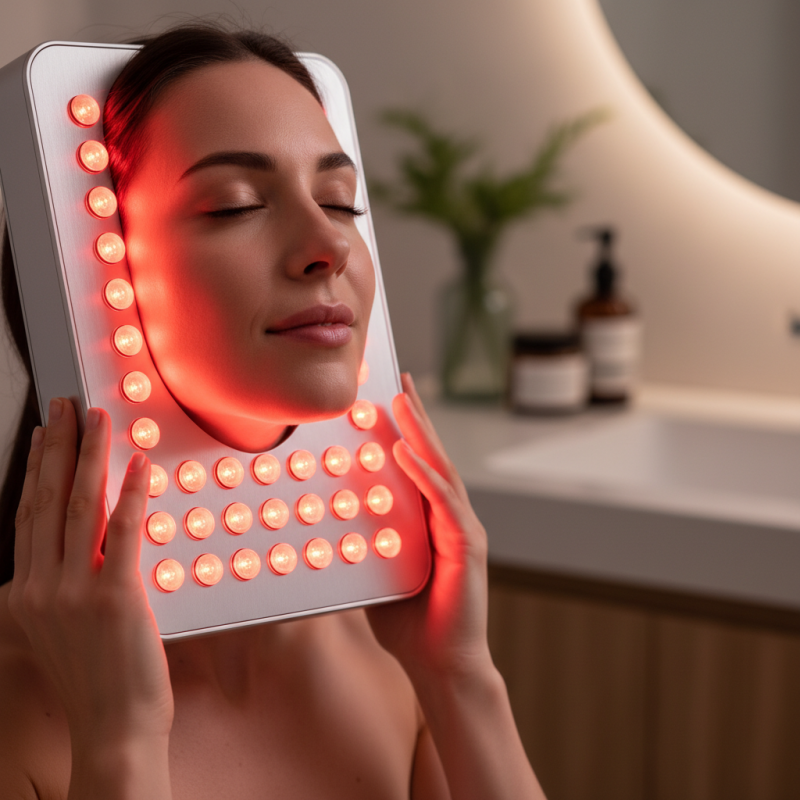
Understanding the Basics of Red Light Therapy Devices
When selecting a red light therapy device, understanding the basics is crucial. Red light therapy (RLT) uses specific wavelengths to penetrate the skin. This technique promotes healing and reduces inflammation. Devices can vary in size, power, and wavelength. Knowing the differences will help you make an informed decision.
Consider the wavelengths used in these devices. Most effective therapy devices operate in the range of 600 to 800 nanometers. Devices with multiple wavelengths provide broader benefits. Look for specifications that highlight these details. The power output is equally important. A higher wattage can enhance your experience but may increase costs.
Tips: Always check the recommended treatment time. Some devices require longer sessions for optimal results. Take note of user reviews and testimonials. This helps gauge effectiveness and reliability. Not all devices suit every skin type. Reflect on your personal needs before choosing a device. A bit of research can go a long way in finding your ideal red light therapy solution.
Key Features to Consider in Red Light Devices
When choosing a red light device, consider key features carefully. The wavelength of light is crucial. Most effective devices emit light within the range of 600 to 900 nanometers. This range penetrates the skin effectively, promoting healing and reducing inflammation. The power output also matters. A device with higher power may provide better results in a shorter time.
Look for ease of use as well. Devices should have clear instructions. Portability is important for convenience. Some users prefer handheld options while others like larger panels. Durability is another factor. A reliable device should withstand regular use without significant wear.
Pay attention to safety features. Overheating or improper usage can be harmful. Adjustable settings allow users to control intensity and duration. User reviews can give insights into effectiveness and ease of use. However, not all reviews are trustworthy. It's essential to cross-check information from multiple sources.
Comparing Different Types of Red Light Technologies
When exploring red light technologies, one must consider the various types available. Low-level laser therapy (LLLT) and light-emitting diodes (LEDs) are two prevalent options. LLLT uses concentrated light with specific wavelengths to penetrate deeper into tissues. Research shows that wavelengths between 600-1000 nm can promote healing and reduce inflammation. This may be beneficial for athletes recovering from injuries.
On the other hand, LED devices offer a broader spectrum of light. They can be more versatile, providing different colors to target various skin concerns. A study published in the Journal of Clinical and Aesthetic Dermatology notes that red LEDs can enhance collagen production, vital for skin elasticity. However, the effectiveness may vary based on the device's intensity and treatment duration.
Cost is another factor to reflect upon. High-quality devices can be an investment. Some cheaper options may lack the necessary depth of penetration or proper wavelengths. User reviews and clinical studies help in understanding device performance. Comparing products based on specifications, user experience, and safety data can lead to better choices. In this evolving field, staying informed is crucial for making an informed decision.
Assessing Your Specific Health Needs and Goals
When choosing a red light device, start with your specific health needs and goals. Consider what conditions you want to address. Research indicates that red light therapy can help with pain management, skin rejuvenation, and muscle recovery. A study published in the Journal of Photomedicine and Laser Surgery found that 79% of participants reported significant pain relief after using red light therapy over a few weeks.
It's essential to evaluate the intensity and wavelength of the device. Devices typically range from 600 nm to 1000 nm. For skin health, wavelengths around 630 nm to 660 nm are most effective. For deeper tissue penetration, look for devices that emit wavelengths between 800 nm to 850 nm. However, not all devices deliver consistent results. A report from the International Society for Clinical and Experimental Hypnosis noted that individual responses can vary widely.
Think about how often you can use the device. Consistency is key to seeing results. Users should be prepared for a commitment. Some may find it challenging to integrate into daily routines. Tracking your progress is crucial. Documenting any improvements or setbacks can help refine your use of red light therapy. This reflection can lead to better outcomes and a deeper understanding of your health journey.
How to Choose the Best Red Light Device for Your Needs?
| Criteria | Description | Ideal for |
|---|---|---|
| Wavelength | Different wavelengths penetrate the skin at varying depths; 600-700nm for surface-level and 800-900nm for deeper tissues. | Skin rejuvenation, musculoskeletal issues |
| Power Output | Measured in milliwatts per square centimeter (mW/cm²); higher output can lead to quicker results. | Users seeking rapid therapy effects |
| Size and Design | Portable devices may be convenient for home use; larger units typically offer more treatment area. | Home users, clinics |
| Treatment Duration | Check the manufacturer’s recommended session length; longer does not always mean better. | Individuals with time constraints vs. those seeking extensive treatment |
| Safety Features | Look for devices with safety certifications or features like timers and eye protection. | Safety-conscious users |
Evaluating Budget and Brand Reputation for Red Light Devices
When evaluating a red light device, budget and brand reputation are crucial considerations. Understand that quality often correlates with cost. A lower-priced device might lack the necessary technology and reliability. Investing in a higher-priced option may yield better long-term results.
Brand reputation plays a significant role in decision-making. Look for brands with a history of positive customer feedback. Research user reviews and expert opinions. This research can reveal the device's effectiveness and reliability. A well-regarded brand often provides better customer support, which is essential for a positive experience.
While many options exist, not every device meets individual needs. Carefully analyze what features are most important to you. Consider whether you want a device suitable for home use or portability. Be aware of potential disappointment if your device doesn’t perform as expected. Finding balance between budget and quality requires thought and a willingness to invest in your health.
