




How to Choose the Best Modular Cold Room for Your Needs?
Choosing the right Modular cold room is crucial for businesses requiring temperature-controlled storage. These rooms are versatile, designed to fit various environments. When selecting, consider your unique needs, such as space, temperature range, and insulation. A well-chosen modular cold room protects your products and optimizes energy use.
Different industries have specific requirements. For food services, maintaining freshness is vital. In pharmaceuticals, precise temperature control is essential. Misjudging these aspects can lead to losses. Additionally, think about the layout and size. An overcrowded room compromises airflow. An overlooked detail could result in inefficiencies or spoilage.
Consulting with industry experts can provide insights. They help ensure you make informed decisions. Research reputable manufacturers to understand their offerings. Quality materials and reliable warranties enhance trust. Being thorough can prevent future headaches. Careful consideration today leads to long-term benefits in managing your modular cold room effectively.
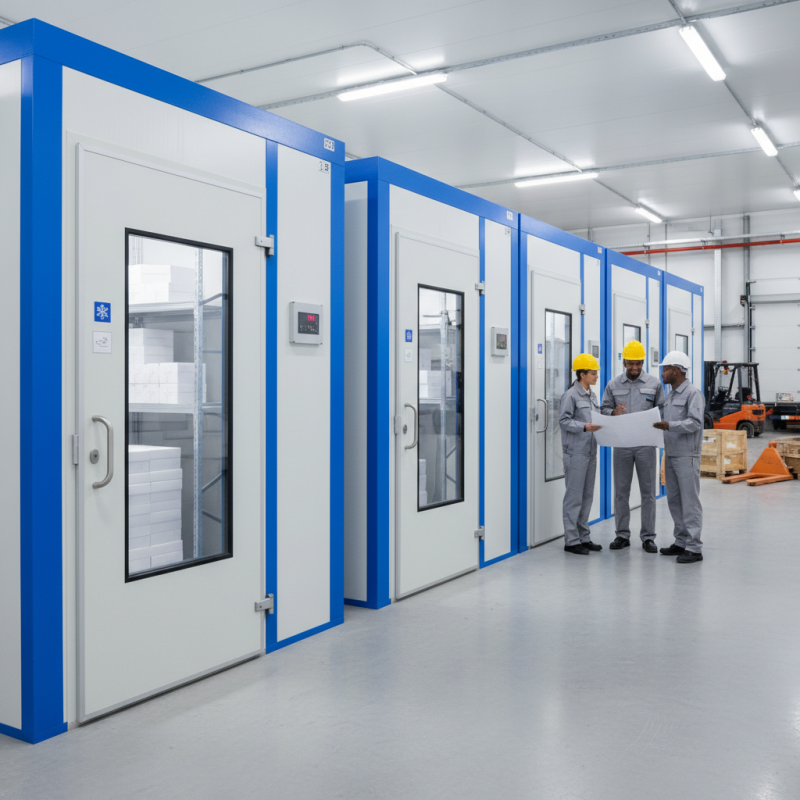
Factors to Consider When Selecting a Modular Cold Room System
When selecting a modular cold room system, several factors must be taken into account. Start with the size and layout. Consider your available space and how the cold room will fit into your facility. An ill-fitting unit can waste energy and space. Think about what items you will store. Fresh produce, pharmaceuticals, and frozen goods all have different temperature needs.
Energy efficiency is another crucial aspect. A cold room that uses more energy than necessary can lead to high operating costs. Look for units with reliable insulation and effective temperature controls. These features ensure stable conditions inside. Additionally, review how easy the system is to access and maintain. Complex maintenance procedures can complicate operations.
Construction materials also play a vital role. Durable materials tend to last longer, but they might come at a higher initial cost. You may face trade-offs between upfront investment and long-term savings. As you weigh these options, seeking advice from industry experts could be useful. Their insights can guide your decision-making process.
How to Choose the Best Modular Cold Room for Your Needs?
| Feature | Description | Importance Level |
|---|---|---|
| Size | Determine the available space and storage requirements. | High |
| Temperature Range | Consider the specific temperature ranges needed for different products. | High |
| Energy Efficiency | Evaluate energy consumption ratings to lower operating costs. | Medium |
| Build Quality | Check insulation materials and construction standards. | High |
| Modularity | Consider how easily the system can be expanded or modified. | Medium |
| Control Systems | Look for user-friendly controls and monitoring systems. | Medium |
| Price | Consider the budget versus features offered. | High |
| Warranty and Support | Check warranty periods and availability of customer support. | Medium |
Understanding Different Cold Room Temperatures and Their Applications
When selecting a modular cold room, understanding temperature requirements is crucial. Different applications demand specific temperatures. For instance, a temperature range of -18°C to -23°C is ideal for storing frozen food, ensuring safety and longevity. Conversely, fresh produce thrives best in temperatures between 0°C to 4°C. Each temperature range serves a unique purpose.
Tips: Always assess your inventory needs before choosing a temperature setting. Consider factors like product shelf life and humidity levels. Tailoring temperature settings to the specific items stored can enhance freshness and reduce waste.
Additionally, explore the possibility of adjustable temperature settings. These versatile units allow for changes based on seasonal product demands. Proper insulation and refrigeration technology are essential for maintaining your chosen temperatures. Reflect on your long-term requirements and potential growth. A slightly larger unit might serve better as your needs evolve. This adaptability is often overlooked but can provide significant long-term benefits.
Evaluating Space Requirements and Capacity for Modular Cold Rooms
When selecting a modular cold room, understanding space requirements is crucial. Research indicates that an estimated 30% of businesses miscalculate their storage needs. Overestimating space can lead to unnecessary costs. Conversely, underestimating may result in insufficient capacity for products, especially during peak seasons. A well-thought-out layout is essential for maximizing efficiency.
Consideration of the cold room’s capacity is equally important. The Food and Agriculture Organization (FAO) suggests that maintaining optimal storage conditions increases product lifespan by up to 25%. Assess the volume of goods you need to store. Think about the type of temperature controls required for different products. For example, sensitive items may need stricter temperature regulations.
Evaluate your facility's available space. Are you limited by existing infrastructure? Additionally, think about how a modular design can adapt to your needs. Flexibility can be a game-changer when unexpected demand arises. Reviewing past consumption data can also mitigate errors in capacity estimation. It ensures that your cold room meets current and future needs effectively.
Analyzing Energy Efficiency Ratings in Cold Room Solutions
Choosing the right modular cold room involves scrutinizing energy efficiency ratings. The global cold storage market is projected to grow significantly, driven by increasing demand for perishables. According to a report by MarketsandMarkets, energy efficiency can account for up to 30% of operational costs. Thus, understanding energy ratings is essential for long-term savings.
Tips: Look for cold rooms with high Energy Star ratings. Systems rated above 15 SEER (Seasonal Energy Efficiency Ratio) are recommended. This ensures optimal performance while minimizing energy use.
Energy efficiency not only impacts costs but also environmental footprint. Older refrigeration systems can waste energy and lead to higher carbon emissions. A recent study found that upgrading to energy-efficient models can reduce energy consumption by 20-50%.
Tips: Consider variable speed compressors. These adapt to varying load conditions, improving efficiency. Evaluate insulation quality, as this can also influence energy consumption. Not every cold room will have the same efficiency, making research crucial.
Comparing Manufacturers and Warranty Options in Cold Storage Industry
When selecting a modular cold room, evaluating manufacturers is key. Different manufacturers offer varying features, making comparison essential. Look for those with a strong reputation in cold storage. Research their years in the industry and read customer reviews to assess reliability. The right choice impacts your operations.
Warranty options play a crucial role in your decision-making process. A solid warranty reflects the manufacturer's confidence in their products. Ensure you understand the warranty terms. Some manufacturers may offer extended warranties, while others don't. Calculate the long-term costs related to potential repairs and replacements.
Tips for choosing wisely: Ask about maintenance support. Good manufacturers often provide ongoing assistance. Pay attention to the energy efficiency rating. This can lead to significant savings. Finally, consider future scalability. Your needs may change, and a flexible solution is beneficial.
Comparing Energy Efficiency Ratings of Modular Cold Rooms
This bar chart compares the energy efficiency ratings of different modular cold rooms based on standard testing conditions. Energy efficiency is crucial in the cold storage industry, as it impacts operating costs and environmental sustainability.
