




How to Choose the Right Insulin Needle for Your Needs?
Selecting the right insulin needle is crucial for effective diabetes management. Dr. Emily Johnson, a leading diabetes specialist, emphasizes, "The choice of an insulin needle significantly impacts comfort and control." Understanding the various options is essential for individuals with diabetes.
Insulin needles come in different lengths and gauges. Each user has unique needs based on their body type and insulin regimen. A needle that is too long may cause discomfort, while one that is too short might not deliver insulin effectively. It's vital to evaluate personal comfort and injection sites carefully.
Moreover, many users overlook the importance of needle sharpness. Blunt needles can cause pain and potentially lead to injection complications. Reflection on these details ensures that individuals make informed choices. The right insulin needle enhances not only health outcomes but also the overall experience of managing diabetes.
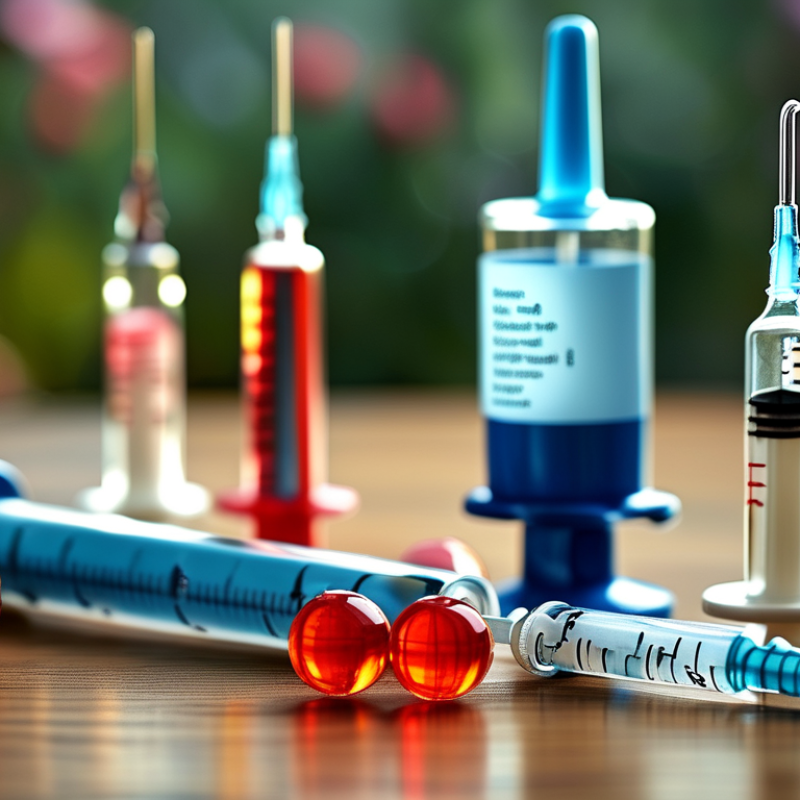
Understanding Different Types of Insulin Needles Available on the Market
Choosing the right insulin needle is crucial for effective diabetes management. There are various types available in the market, and understanding their differences can help you make an informed decision. The three main components of insulin needles are gauge, length, and type.
Gauge refers to the thickness of the needle. A higher gauge means a thinner needle. Thinner needles often cause less pain during injection. Typical gauges range from 29 to 31. For many, a 30-gauge needle offers a good balance between comfort and effectiveness.
Needle length is another factor to consider. Common lengths are 4mm, 6mm, or 8mm. Shorter needles can reduce injection pain but may require technique adjustments to ensure proper insulin delivery. Review your body type and fat distribution. This may affect the length you choose. Some users report feeling anxious when trying a new needle size. It's essential to listen to your body and adjust your choice as needed. Selecting the right needle can significantly influence your overall diabetes management experience.
How to Choose the Right Insulin Needle for Your Needs?
| Needle Type | Needle Length (mm) | Gauge Size | Best For | Recommended Usage |
|---|---|---|---|---|
| Short Needles | 4 mm | 31G | Children, Thin adults | Works well for those with low body fat. |
| Medium Needles | 6 mm | 30G | Most adults | Ideal for a range of body types. |
| Long Needles | 8 mm | 27G | Obese individuals | Used for deeper subcutaneous injections. |
| Ultra-Short Needles | 4 mm | 32G | Diabetics, lean body types | Reduces pain and anxiety during injections. |
Evaluating Needle Length and Gauge for Optimal Comfort and Effectiveness
When selecting the right insulin needle, understanding needle length and gauge is crucial for your comfort and effectiveness. Needles come in various lengths—typically from 4mm to 12mm. A shorter needle may reduce discomfort during injections. However, a longer needle can offer better results for thicker skin areas. It is essential to choose a length that suits your body type and injection sites.
The gauge of the needle also plays a significant role. A higher gauge number indicates a thinner needle. Thinner needles can enhance comfort during the injection process. For example, a 32-gauge needle is often preferred by those who prioritize a less painful experience. On the other hand, thicker needles may be needed for certain medications. Finding the right balance between comfort and effectiveness is important.
**Tips:**
Experiment with different lengths and gauges to see what feels best for you. Consult a healthcare professional for personalized advice. Document your experiences to identify what works best. Sometimes, trial and error is necessary. Don't be afraid to ask questions about your options. The right choice can significantly impact your overall insulin delivery experience.
Determining Appropriate Needle Size Based on Injection Site and Technique
Choosing the appropriate insulin needle size is crucial. It affects both comfort and injection efficacy. The right size greatly depends on the injection site and the technique used. Studies show that a shorter needle can reduce pain and anxiety in patients. For instance, needles that are 4 mm are often suitable for most adults and children, as they minimize the risk of intramuscular injection.
For abdominal injections, a longer needle may be required depending on fat thickness. According to the American Diabetes Association, about 30% of individuals need to consider their body type for proper needle selection. If a patient is overweight, using a longer needle can help ensure the medication is delivered effectively. The general recommendation states that adjusting needle length based on individual body types leads to better glucose control.
Improper needle choice can lead to complications and treatment inefficacy. Research indicates that patients often underestimate the importance of needle size, which can jeopardize their diabetes management. Many do not seek guidance or reassurance from healthcare providers. This often results in needle phobia or discomfort during injections. Continuous education and awareness are essential steps towards improving patient outcomes in insulin therapy.
Selecting Insulin Needles Based on Personal Health Factors and Lifestyle
Selecting the right insulin needle is crucial for managing diabetes effectively. Personal health factors, such as body type and insulin absorption rate, play a significant role. Studies show that individuals with higher body fat may benefit from longer needles to reach subcutaneous tissue effectively. A report by the American Diabetes Association states that needle size can influence comfort and adherence. In this sense, a proper match between needle length and individual needs can result in better therapeutic outcomes.
Lifestyle is another important factor in needle selection. Active individuals may prefer shorter needles, which provide faster insertion and reduced risk of accidental injury. A survey found that 70% of users prefer needles that minimize pain during injection. Additionally, the frequency of use matters. For frequent injection sites, a finer gauge can reduce tissue damage. Users who transition between different injection sites—such as the abdomen and thighs—might need a variety of needles on hand.
Choosing the correct insulin needle requires careful consideration. Reflection on one’s health factors, lifestyle, and injection practices can lead to better decisions. Understanding these nuances can enhance daily management of diabetes significantly.
Insulin Needle Sizes and Recommended Usage
Tips for Properly Handling and Disposing of Insulin Needles Safely
Handling and disposing of insulin needles safely is crucial. According to the Centers for Disease Control and Prevention (CDC), improper needle disposal can lead to injury and infection. It is estimated that 1 in 10 sharps-related injuries occur in the home. Therefore, it is vital to use proper disposal methods to minimize these risks.
Always use a sharps container for disposal. A container should be puncture-proof and securely closed. The CDC recommends using a container that is labeled clearly. Fill the container only up to three-quarters full to prevent spills. Once it is full, seal it and dispose of it according to local regulations.
It is also important to handle needles carefully. Avoid recapping needles, as this can increase the risk of accidental sticks. Always use gloves when handling used needles. Dispose of gloves according to safety guidelines after use. Awareness and caution are necessary.
Take time to understand the disposal rules in your area, as they can vary widely. Being informed creates a safer environment for everyone.
