




How to Choose the Best Sleep Monitoring Technology for You?
Sleep Monitoring Technology has transformed how we understand and improve our sleep. It offers various tools and gadgets that track sleep patterns, helping users gain insights into their rest quality. With many options available, selecting the right technology can be overwhelming.
This guide aims to assist you in navigating the vast landscape of sleep monitoring solutions. You will discover essential features to consider, such as accuracy, comfort, and data usability. Each person's sleep needs are unique, and the best choice for one may not suit another.
While technology can offer valuable insights, it is not infallible. There can be discrepancies in tracking and interpretations of sleep data. It's vital to reflect on your individual habits and needs when choosing the right tool. After all, improving sleep quality may require a blend of technology and lifestyle adjustments.
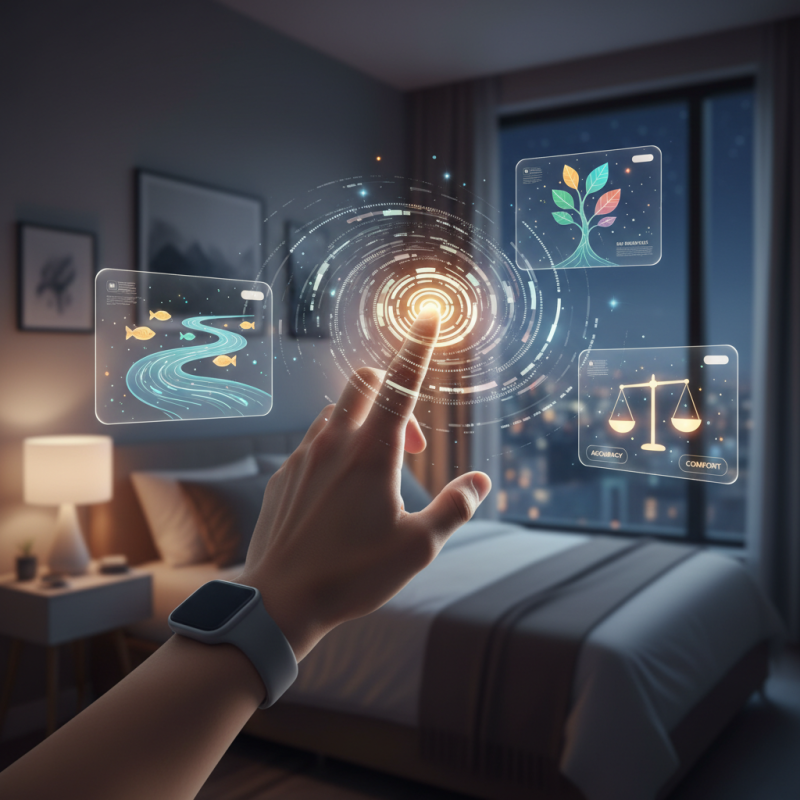
Understanding Sleep Monitoring Technologies: An Overview
Understanding sleep monitoring technologies has become essential as sleep health is linked to overall well-being. According to a report by the National Sleep Foundation, nearly 70 million Americans suffer from sleep disorders, underscoring the need for effective monitoring solutions. Various technologies are available, ranging from wearables to non-contact devices. These tools offer everything from sleep cycle tracking to heart rate monitoring.
Wearable devices, like smartwatches, provide convenience and detailed insights. They often track metrics such as REM sleep and disturbances throughout the night. However, they might not be entirely accurate due to varying skin conditions and movement patterns. On the other hand, non-contact sleep monitors utilize sensors placed on beds to analyze breathing and movement. While they are less intrusive, concerns about their sensitivity and data accuracy persist.
Research indicates that many users find technology overwhelming. A study by the Journal of Clinical Sleep Medicine revealed that 30% of users abandoned monitoring due to complexity. This suggests that while these technologies can empower individuals, they also require thoughtful integration into daily routines. Understanding individual needs and preferences is crucial before choosing a monitoring solution. Selecting the right technology involves balancing precision with usability, ensuring it fits seamlessly into one’s lifestyle.
Key Features to Consider When Choosing Sleep Trackers
Choosing the right sleep monitoring technology can feel overwhelming. Numerous trackers on the market offer a variety of features. Understanding what matters most to you is key.
When evaluating sleep trackers, consider accuracy in tracking sleep stages. Some devices provide detailed insights into light, deep, and REM sleep. This data can help you identify patterns in your rest. However, relying solely on these metrics can create anxiety about sleep quality.
Another crucial feature is comfort. Some trackers are worn on the wrist, while others may be placed under your mattress. Test the feel of the device before purchasing. It should not disrupt your sleep.
Tips for selecting a tracker: Look for easy-to-read interfaces. Features like smart alarms can gently wake you in the lightest sleep phase. Read reviews from certified health professionals for credibility. Balance tech with common sense; focus on holistic sleep improvements rather than numbers. Regularly reflect on how your tracker impacts your sleep routine.
Comparing Wearable Devices vs. Non-Wearable Sleep Monitors
When choosing sleep monitoring technology, consider the characteristics of wearable and non-wearable devices. Wearable devices, like smartwatches, are easily accessible. They often provide detailed heart rate information and movement tracking. According to a report by the National Sleep Foundation, about 38% of U.S. adults use wearables for sleep tracking. This suggests a growing trend towards personalized health monitoring. However, these devices might not always accurately assess sleep stages, leading to potential frustration.
On the other hand, non-wearable monitors, such as under-mattress sensors, can be less intrusive. They typically track sleep quality by sensing movements and breath patterns. Research from the Sleep Research Society indicates that non-wearable monitors can be as reliable as their wearable counterparts for general sleep analysis. Still, users may find the data less intuitive. Some might struggle to interpret the results, leading to questions about accuracy. It's essential to weigh these aspects before making a decision. Most importantly, personal comfort with the technology plays a significant role in your sleep improvement journey. Choose a solution that aligns with your lifestyle and preferences.
Interpreting Sleep Data: What to Look for in Results
Interpreting sleep data can be overwhelming. When choosing sleep monitoring technology, focus on key metrics that truly matter. Sleep duration, quality, and stages are essential. Look for data that shows how long you spent in deep or REM sleep. These stages are critical for restorative rest and mental clarity.
Consider how often the device records interruptions. Frequent awakenings can indicate stress or discomfort. A reliable device should help identify patterns that may affect your sleep. Don’t ignore environmental factors. Temperature, noise, and light can influence your sleep quality as well.
Not every device captures the same information. Some may overstate performance or misinterpret data. Always question the results. If a device shows you slept well but felt tired, dig deeper into the specifics. Reflect on your daily habits and lifestyle. This self-assessment can be invaluable.
How to Choose the Best Sleep Monitoring Technology for You? - Interpreting Sleep Data: What to Look for in Results
| Technology Type | Key Metrics | Data Accuracy | Additional Features | Price Range |
|---|---|---|---|---|
| Wearable Devices | Sleep duration, Stages of sleep, Heart rate variability | Moderate to High | Fitness tracking, Sleep coaching | $50 - $300 |
| Sleep Trackers | Sleep quality score, Efficiency, Latency | Moderate | Smart alarms, Sound analysis | $30 - $150 |
| Smart Mattresses | Sleep temperature, Motion tracking, Sleep apnea detection | High | Customizable firmness, Sleep reports | $800 - $3000 |
| Mobile Apps | Sleep logs, Environmental factors, Mood integration | Variable | Meditation guides, Sleep journaling | Free - $20/month |
Integrating Sleep Technology into Your Daily Routine for Better Rest
Integrating sleep technology into your daily routine can significantly enhance your rest. Many people overlook their existing habits, which can hinder sleep quality. Consider how you prepare for bedtime. Simple changes can make a big difference. For instance, dimming the lights can signal to your body that it's time to wind down. You might also try limiting screen time an hour before bed to reduce blue light exposure.
Wearable sleep trackers can provide valuable insights. They monitor your sleep stages and help identify patterns. However, the data can be overwhelming. It’s important to focus on actionable insights rather than getting lost in numbers. A gradual approach can work well. Start by identifying one area to improve. This may involve changing your sleep position or exploring relaxation techniques. Small, consistent changes can lead to better sleep over time.
Reflection is crucial in this journey. Are you genuinely prioritizing rest, or are you caught up in daily demands? Regularly assessing your routines is vital. It may be uncomfortable to confront habits that aren’t serving you, but growth often comes from challenge. Embrace the process of learning what works for you, and adapt your sleep technology accordingly.
Sleep Quality Analysis Based on Sleep Technology Usage
This chart illustrates the average sleep quality scores associated with different sleep monitoring technologies. As shown, wearable devices yield the highest sleep quality score, suggesting they may be the best option for integrating sleep technology into your daily routine.
