




What is the Best Orthodontic Adhesive System to Use?
In the realm of orthodontics, choosing the right adhesive system is crucial for treatment success. Dr. Emily Roberts, a seasoned orthodontist, emphasizes, "The right Orthodontic Adhesive System can make a significant difference in patient outcomes." With various options available, this choice can be overwhelming.
Many orthodontists grapple with the performance and durability of different products. Each adhesive system has its strengths and weaknesses. Some offer excellent bonding but may lack ease of removal later. Others may be user-friendly but struggle under stress. Precision and reliability should guide any decision made in this field.
Moreover, variations in patient needs add complexity to the selection process. What works well for one patient might not suit another. An ideal Orthodontic Adhesive System should balance effectiveness with patient comfort and safety. Thorough understanding and careful reflection on each option can lead to better treatment planning and improved results.
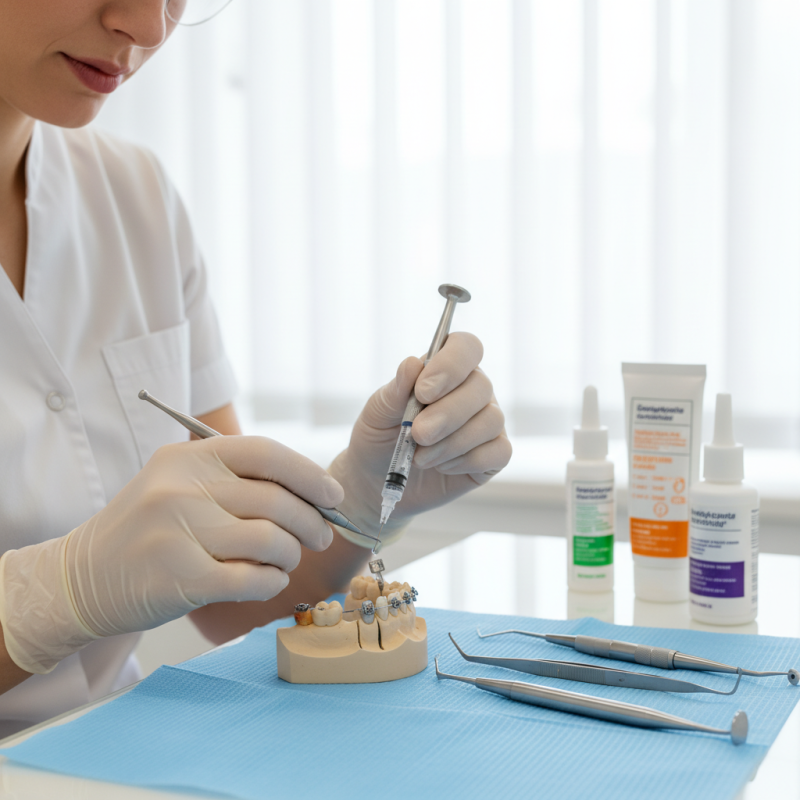
Overview of Orthodontic Adhesive Systems
Orthodontic adhesive systems play a crucial role in treatment effectiveness. These systems help secure brackets, ensuring they stay in place throughout the treatment process. There are several types of adhesives available, including light-cured, chemical-cured, and dual-cured systems. Each type has its pros and cons, which may influence the choice depending on specific case requirements.
According to industry reports, around 70% of orthodontists prefer light-cured adhesives due to their ease of handling and reduced curing time. However, some may struggle with the bonding process. Each case should be evaluated individually, as patient comfort and treatment outcomes are paramount. The curing process must be monitored closely to prevent potential debonding later on.
Tips: When selecting an adhesive, consider the duration of treatment and patient compliance. Always test the bond strength on a piece of scrap material before proceeding. Familiarize yourself with application techniques for better control and precision. Reflection on these practices can lead to improved outcomes in complex cases.
Key Factors in Choosing an Orthodontic Adhesive
Choosing the right orthodontic adhesive system is crucial. Several factors come into play when making this decision. One key element is bond strength. Studies suggest that adhesives should provide a bond strength of at least 8-10 MPa. This ensures that brackets stay securely in place throughout treatment. However, extremes in bond strength can also result in bracket damage during removal. A balance must be struck.
Another important factor is the ease of use for orthodontists. The adhesive system should allow for quick and efficient application. This can significantly reduce chair time for patients. Additionally, the curing time matters. A quick-curing adhesive can make the process smoother, yet it should not compromise bond integrity. It's essential to consider how the adhesive interacts with the patient's saliva as well.
Tips: Always check for compatibility with specific materials used in your practice. User feedback can be invaluable. Keep an eye on the evolution of adhesive technology. New findings can lead to better patient outcomes.
In conclusion, the right adhesive system is multi-faceted. Evaluating factors such as bond strength, ease of use, and curing times will lead to a more informed decision. Ensure the system aligns with the specific needs of your orthodontic practice for optimal results. Choices may evolve, and reflection on outcomes is key to improvement.
Types of Orthodontic Adhesives: Pros and Cons
Orthodontic adhesives are crucial for the success of braces. Each type has distinct pros and cons. Resin-based adhesives are popular for their strong bond. They can withstand forces from chewing and everyday activities. However, they may not be easy to remove. This could lead to damage when braces are taken off.
Another option is glass ionomer adhesives. They release fluoride, which helps prevent decay around brackets. This is beneficial, especially for young patients. Yet, their bond strength might not compare to resin adhesives. This raises questions about their effectiveness in challenging cases.
Self-etching adhesives simplify bonding. They eliminate the need for an additional etching step, saving time in the office. But, the long-term bond strength can be a concern. Some orthodontists notice more failures. Evaluating the balance between convenience and reliability is essential for making informed choices. Each adhesive has its place, but the best choice depends on individual patient needs and circumstances.
Application Techniques for Optimal Adhesion
When it comes to orthodontic procedures, the adhesive system plays a crucial role. Proper application techniques can significantly enhance bonding strength. Studies show that a well-placed adhesive can yield bond strengths of up to 12-16 MPa. This data highlights the importance of meticulous application to minimize failures.
The cleaning of the tooth surface is essential. Many orthodontists emphasize thorough debridement, as residual contaminants can weaken the bond. A dry field during bonding is equally important. Moisture can lead to compromised adhesion. According to a report, excessive moisture can drop bond strength by nearly 30%.
It's easy to rush the process in a busy practice. However, taking time for each step is vital for long-term success. Adjusting light-cure times based on the adhesive type is also necessary. An undervalued aspect is the need for consistent pressure during curing. Improper curing can lead to shorter lifespans of brackets. Each technique requires careful consideration to achieve optimal results.
Current Trends and Innovations in Orthodontic Adhesives
Orthodontic adhesion has seen rapid advancements in recent years. The latest innovations focus on improving bond strength and reducing treatment time. Newer adhesive systems often emphasize easy application methods. This allows for faster bonding of brackets. More intuitive designs can help streamline the orthodontic process, enhancing patient experiences.
Current trends highlight the use of light-cured adhesives. These formulations allow for prompt setting, minimizing chair time. Additionally, some newer products feature self-etching qualities. This can simplify procedures for orthodontists, especially those less experienced. However, problems can arise if the bond fails, leading to more appointments. Still, the convenience of these systems excites many in the field.
Reflecting on these developments, the balance between effectiveness and usability remains crucial. While innovations can enhance efficiency, every system has its limitations. Some adhesives may struggle under specific conditions, such as damp environments. Awareness of these drawbacks is vital. Choosing the best adhesive should involve careful consideration of all factors. Each orthodontist may find certain systems resonate more with their working style.
What is the Best Orthodontic Adhesive System to Use? - Current Trends and Innovations in Orthodontic Adhesives
| Adhesive Type | Bond Strength (MPa) | Setting Time (Minutes) | Type of Cure | Application Method | Recent Innovations |
|---|---|---|---|---|---|
| Light-Cure Adhesive | 18-25 | 3-5 | Light-Cured | Syringe | Enhanced adhesive properties, reduced curing time |
| Self-Cure Adhesive | 12-20 | 5-10 | Self-Cured | Dispensing Gun | Improved mixing technology for better accuracy |
| Dual-Cure Adhesive | 15-22 | 2-4 | Dual-Cured | Pre-loaded Tips | Adapted for various environments, enhanced performance in moisture |
| Temporary Adhesive | 8-15 | 1-2 | Light-Cured | Brush On | Ease of removal, no damage to enamel |
